The Flowering of Cluny
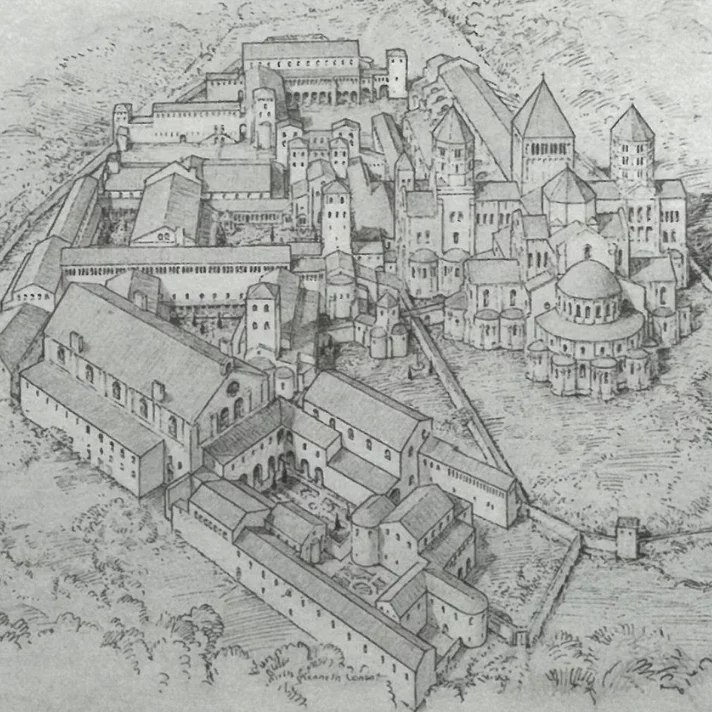
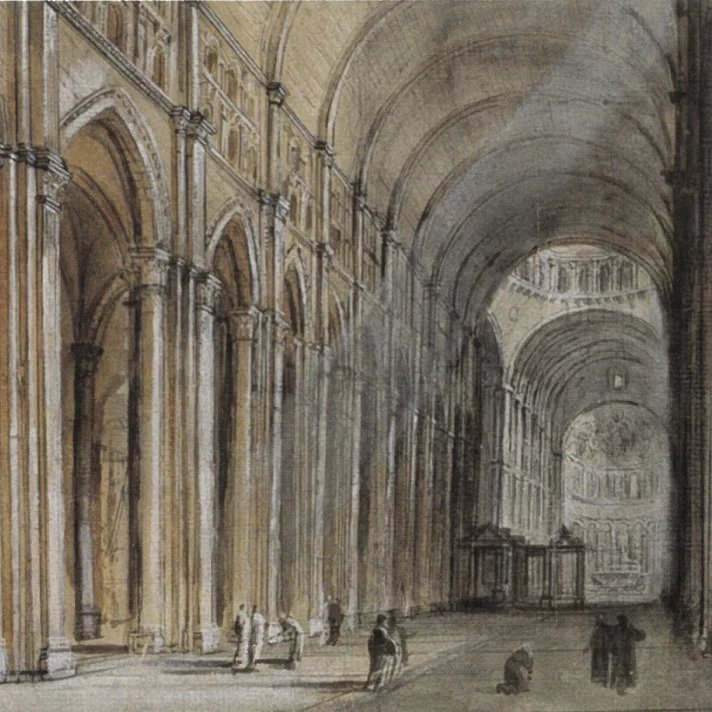
Cluny began as a movement of reform within the Benedictine order and over three centuries had a profound effect upon the whole of the western church. The monastery of Cluny in Burgundy was founded by William, Duke of Aquitaine in 910 and was blessed with the rule of four saintly Abbots under whom its reforming zeal and influence spread like wildfire. As Cluny's reputation grew it became known for holiness and the celebration of Mass and Divine Office, with its beautiful sung and embellished liturgy and richly decorated churches. The desire to return to a stricter following of the Rule of St. Benedict was also attractive to a western church disillusioned with laxity and chaos.
Duke William also bestowed upon the order a unique right of freedom from military service and other temporal obligations, enabling them to be dependent on the papacy alone. This, in effect, freed them from the interference of patrons and benefactors as well as diocesan control.
The development of the Cluniac order reflected the feudal system of the world around it, being the first truly centralised religious order to be formed. The monastery of Cluny became the mother house to which all other Cluniac houses were subject, with the Abbot of Cluny being the supreme authority under the Pope. The papacy realised that the reforming vitality of Cluny was an ideal instrument of monastic revival, and gave the order the task of reforming other religious houses, first in Rome and then spreading out across France and beyond. Ironically and inevitably, the great flowering of Cluny contained the seeds of its own decline, for as benefactors showered it with gifts of land, goods and privileges, so the austerity and humility of its beginning was transformed into a wealthy and powerful community.
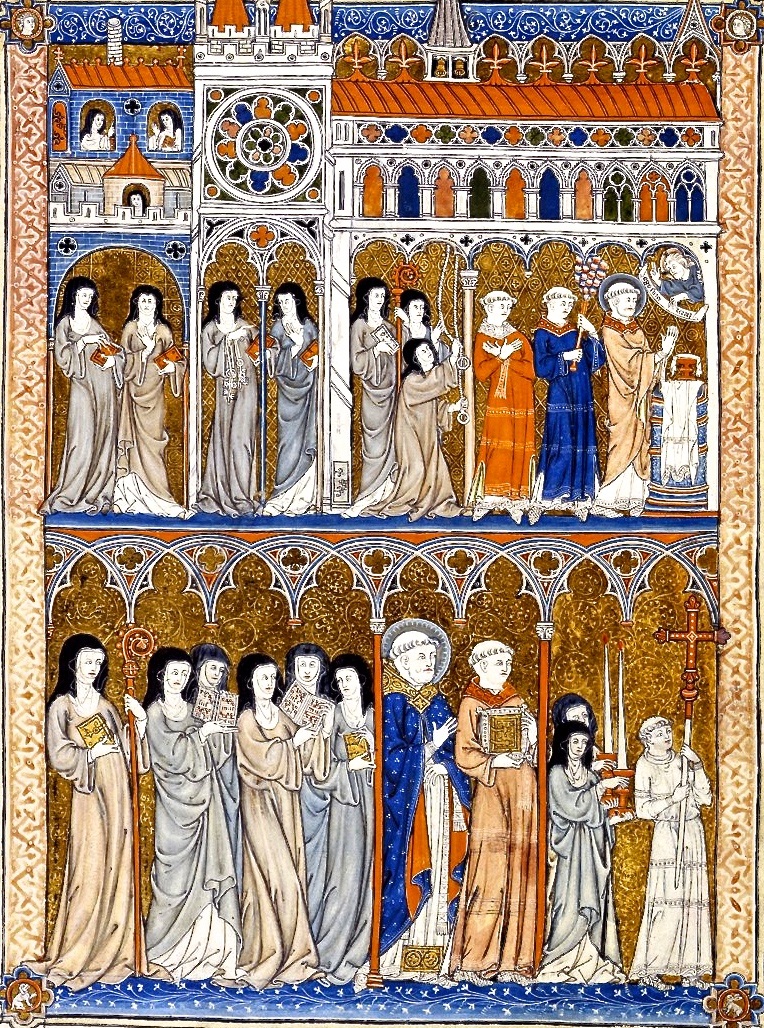
During the eleventh century women were admitted into the order, with the first nunnery formed at Marcigny in 1056. After the conquest of England in 1066, the Normans being great admirers of the Cluniac order, begged the pope to send monks to start a foundation priory in their territory, and in 1077 a Cluniac monastery was founded at Lewes. Over the next eighty years a number of Cluniac priories were founded in England, but only two were nunneries; Arthington in Yorkshire, and in Northamptonshire, the Abbey of St. Mary de la Pres.
The founding of a new Cluniac house begins with a few religious coming from the mother house in Cluny to establish a community which is completely dependent on the parent house. As numbers increase to a point of being able to celebrate the divine office, the community makes the transition from cell to monastery with a measure of self-government, but is still supervised by the mother house. However the distances between England and Cluny and the war with France made communication between the mother and the English daughter houses virtually impossible and Cluniac houses in England became 'denizen', coming under the English ecclesiastical rule. By 1460 this was the case and so we encounter in The Abbess, the Abbey of Delapre and the priory of St. Andrew in Northampton as two Cluniac Benedictine houses under English rule.
An Interesting Journey
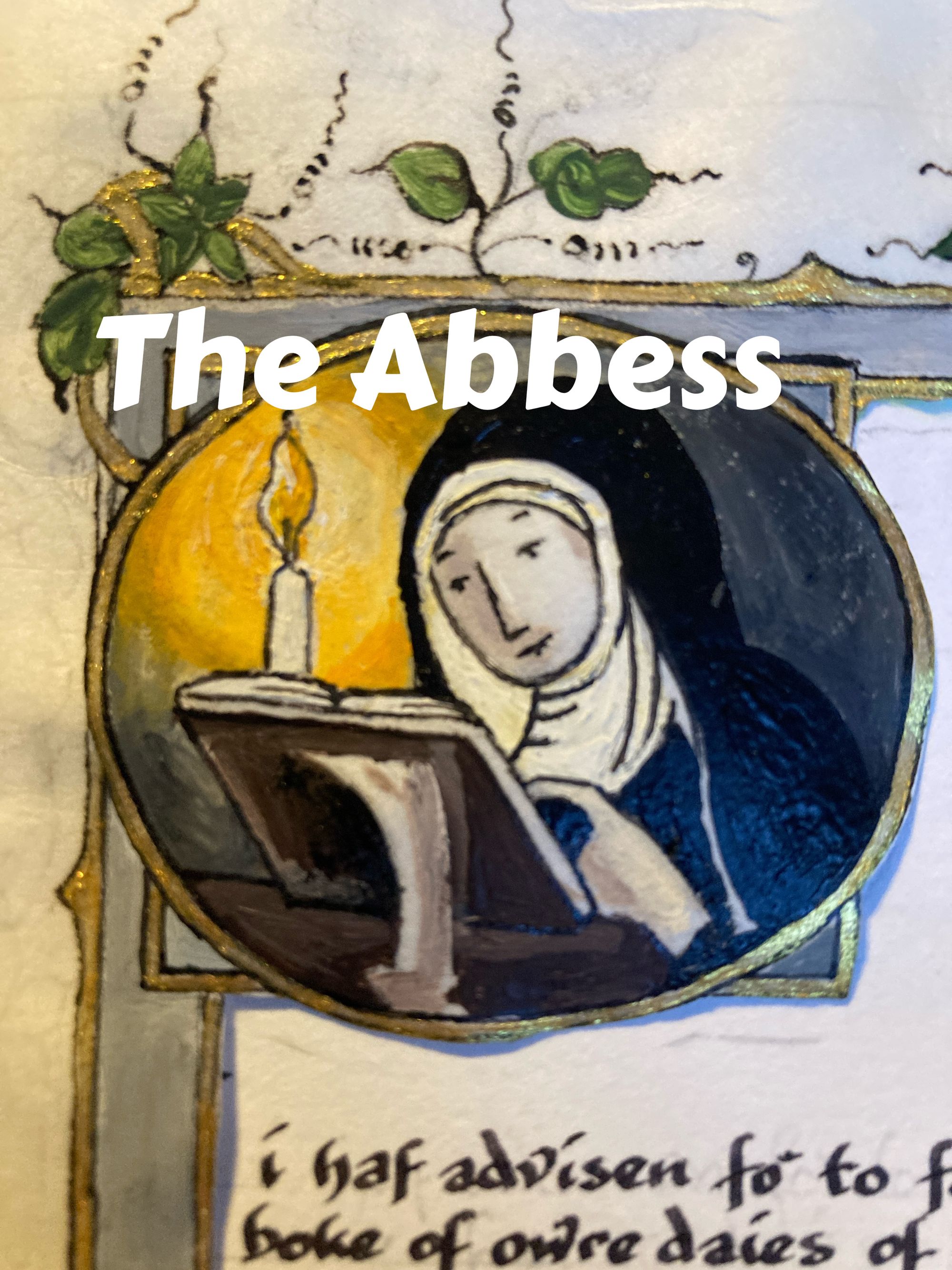
Two years ago I set out on a journey which took me deep into unknown territory. Re-enacting a Benedictine nun of the 1400's involved researching into a subject of which I knew very little about, so I started with something I was more confident in - textiles. I already had a linen shift and enough black linen to make the habit, scapular and veil. The character of an Abbess gradually emerged as I developed my kit, learning as I did so of the symbolism of each piece of clothing, all of which I will cover in a future blog.
I found my enduring inspiration in Eileen Power's book 'Medieval English Nunneries 1275-1535' for which I will always be grateful, and since then I have discovered a host of exciting and informative works by authors who have trodden this path before me. However, these works are not necessarily easily accessible for many folks, and I wanted to share not only what I's learnt, but to bring these women to life for as many people as possible.
The answer was to make it visual. I am an artist, not a writer, so taking the idea from my own sketchbook journals, I decided to gather all my research into a personal illustrated diary of an Abbess of Delapre Abbey covering the year 1460. The diary would be highly illustrated and contain her writing of daily events and the workings of a monastic house. I also wanted to include some notes on the opposite page, including a modern translation of her writing and a simple explanation of the corresponding illustrations, together with information which I found fascinating. The format ended up looking like this -
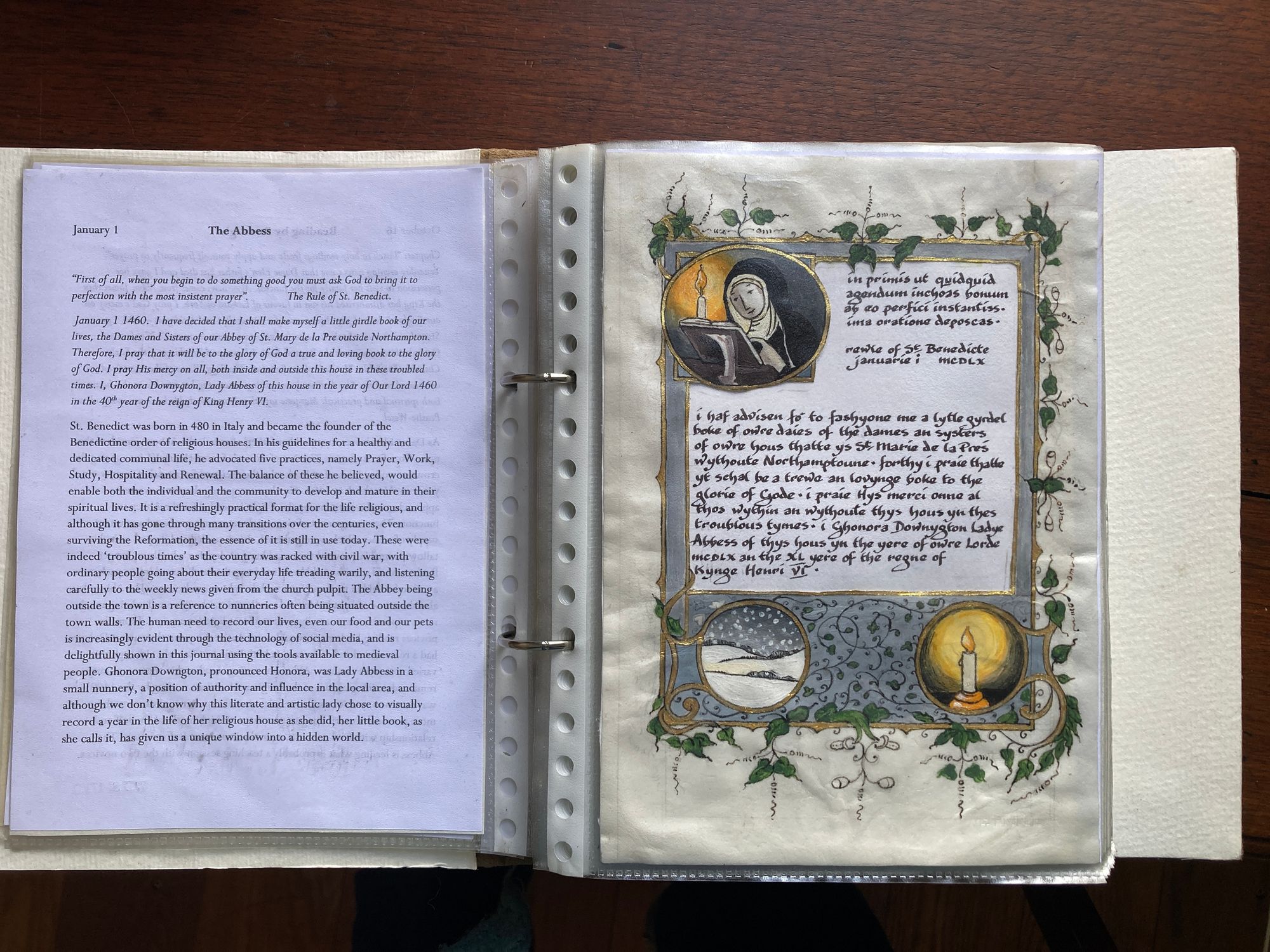
Looking through the list of names of the Abbesses of the Abbey of St. Mary de la Pres, I came across the Abbess Ghonora Dowyngton [pronounced Honora ] who was in office in 1460 during the Battle of Northampton, which took place right outside the nunnery walls. Perfect. She became increasingly real to me as we worked our way through the year 1460 together. As the book develops, she leads us through the cycle of the seasons and the religious year; seedtime and harvest, feasting and fasting and the joys of ruling a household of women. We experience devotion, death, high fashion, battle, kitchen drama and the annual accounts! On each page I had to check again and again that what I wanted to portray was accurate both in the illustrations and the text, as well as keeping track of the different characters. It has taken two years and i finally finished just after Christmas 2025. Now comes the real challenge - preparing for publishing!
Forgotten Women
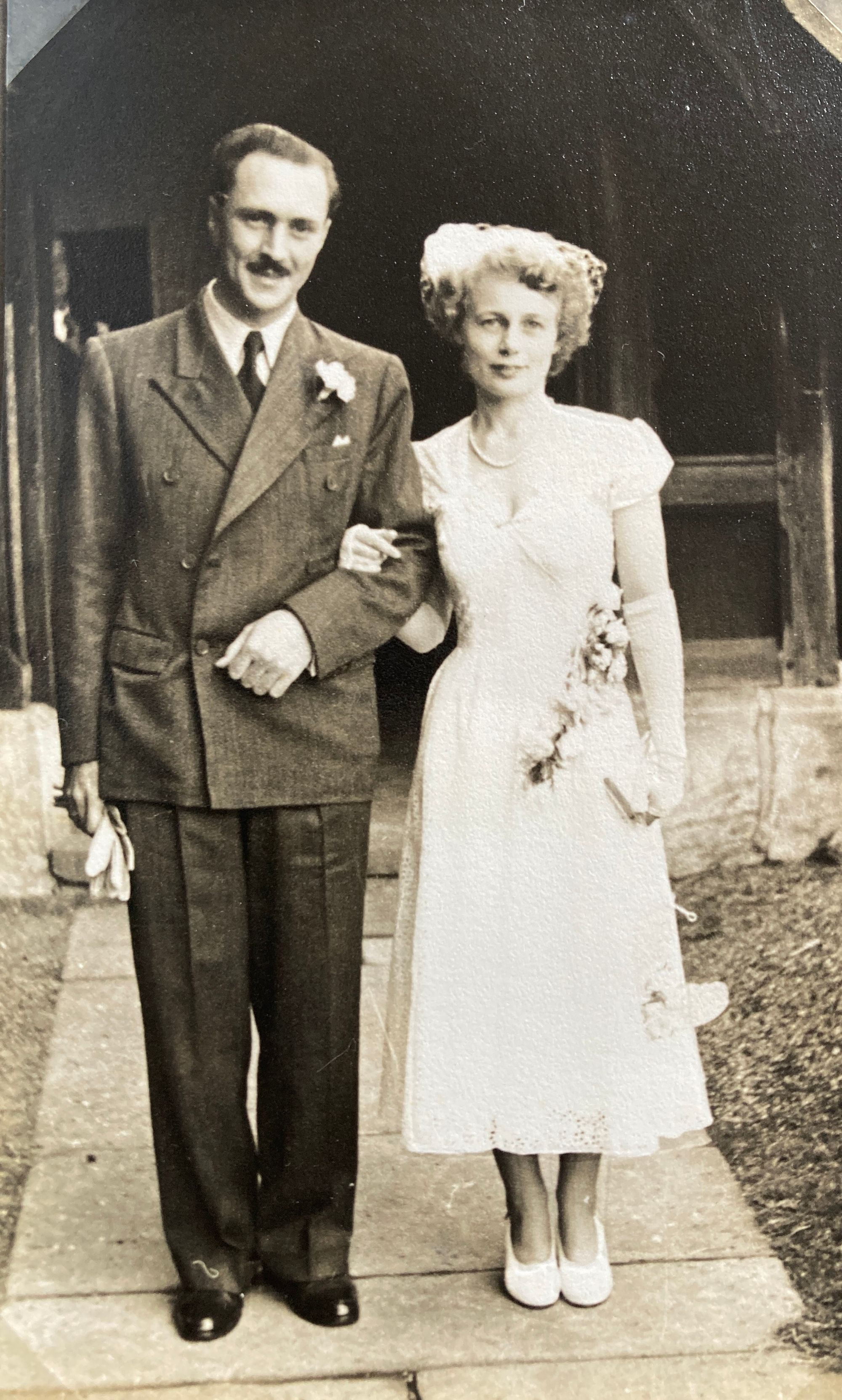
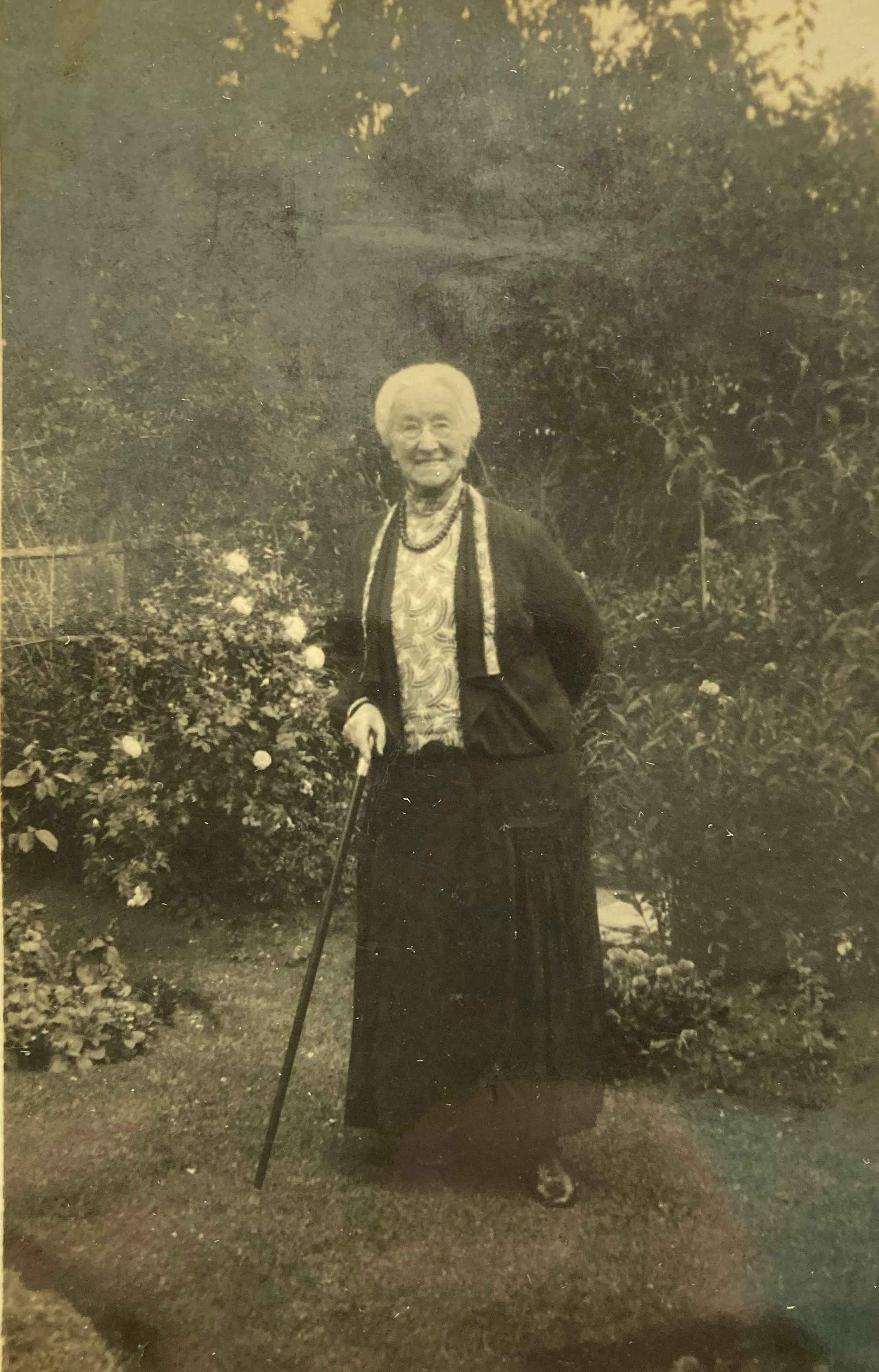
Rummaging through an old suitcase of family memorabilia is always a bitter-sweet experience, for alongside the familiar is a pile of unanswered questions. There are inevitably pictures of unknown faces, each one with a story to tell but now forgotten as if they never existed. If we're lucky we can trace our ancestors through birth, marriage and death certificates which enable us to place them in a time, a location and a social setting, but unless personal documents are included, the everyday lives of our past family remain a mystery to us. Even the lives of our parents and grandparents are lost if we don't somehow record the stories they tell us. There are so many questions I want to ask my mother and now its too late.
Throughout the late medieval period, a great deal of correspondence, both personal and business was written by a wealthy Norfolk family, in which their language, attitudes, worries, preferences and interests give a fascinating glimpse into their everyday lives. A tiny excerpt from one of Margaret Paston's letters to her husband John, tells of taking dinner at her cousins, and also that she and her daughter are feeling ill, and in need of some medicinal treacle to settle their stomachs. Hopefully there was no connection!
Right worshipful husband....I was at Topp's at dinner on St. Peter's day: there my Lady Felbrigg and other gentlewomen desired to have had you there: they said they should all have been the merrier if ye had been there....Also I pray you heartily that ye will send me a pot of treacle in haste, for I have been right ill at ease and your daughter both since that ye went....The blessed Trinity have you in his keeping, written at Norwich in haste on the Thursday next after St. Peter.
Yours, Margaret Paston
However, unlike the literate Pastons, there is no record at all of my medieval ancestors; they have vanished like the morning mist leaving no trace except for my legacy of bloodlines.
Several years ago on our retirement, we came into contact again with one of the oldest inhabited buildings in Northamptonshire; Delapre Abbey, a Benedictine nunnery founded in 1145 and home to Cluniac nuns for 400 years until the Reformation.
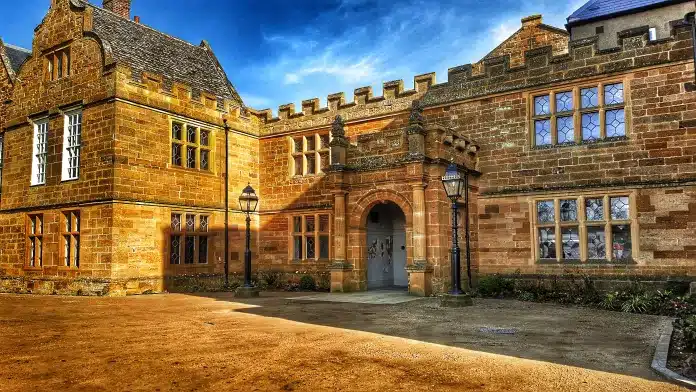
There are few records left of the life of the Abbey of St. Mary de la Pratis and only a handful of names of the Abbesses holding office throughout that time. With my mind already full of my own family research, I started thinking about the lives of these women; daughters, sisters, widows, nieces, friends and family. Who were they, these religious women? What were they like? What did their lives consist of? There are contemporary illustrations of them performing their spiritual duties of prayer, worship and caring for the sick, but apart from the occasional saint and mystic, there are generations of nuns who remain nameless, unknown and forgotten.
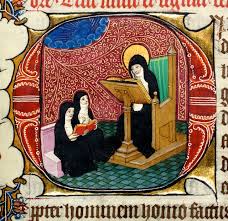
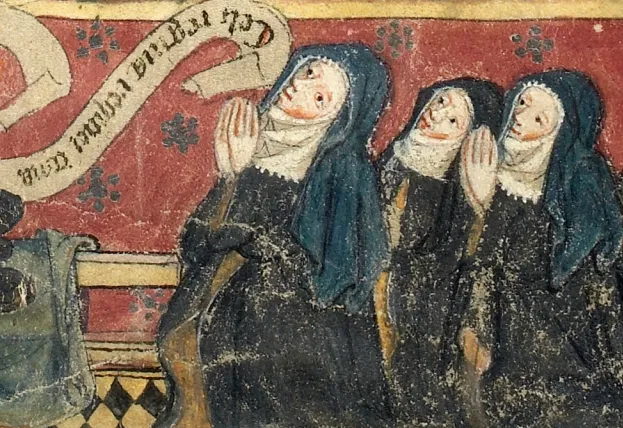
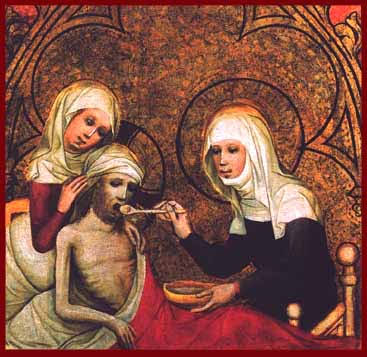
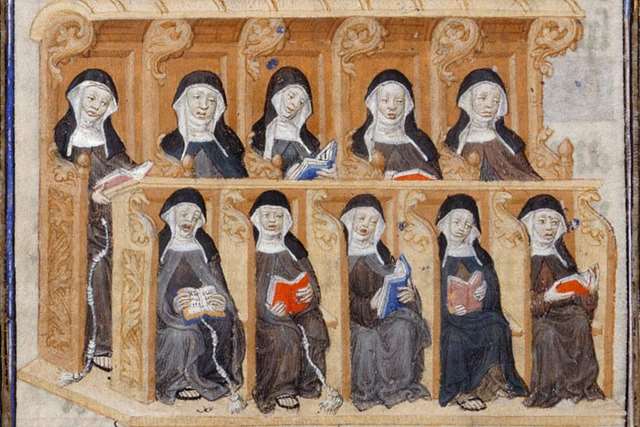
These women were as hidden to me as behind their nunnery walls, and the creating of my book 'The Abbess' is my attempt to give them a voice, and a recognition that they are an integral part of who we are today. Ladies, you are not forgotten!